





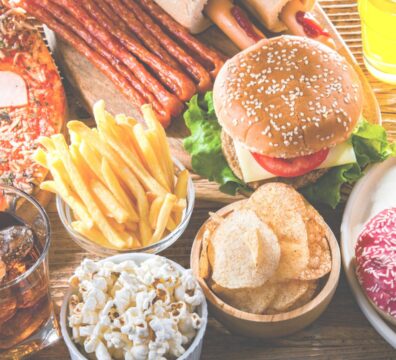
Yes, high intake of ultra-processed foods is linked to poorer fertility markers in both men and women, but no direct causation has been proven.
This is how ultra-processed foods may impair fertility:
- ✓ Conception: Lower chances of conception observed in women with high intake.
- ✓ Sperm DNA: Up to ~4× higher risk of sperm DNA damage in men.
- ✓ Sperm and egg health: Ultra-processed foods are linked to oxidative stress and inflammation affecting egg and sperm quality.
- ✓ Endocrine and metabolic system: Ultra-processed foods have been associated with hormonal and endocrine disruption.
For many couples, trying for a baby begins with optimism and excitement. But it often also raises important questions — after all, this may be one of the most meaningful journeys of your life.
- “Is there anything we should be aware of?“
- “Does lifestyle or diet matter?”
These are valid and important questions.
Fertility depends on a complex interaction of biological processes. Increasingly, research suggests that everyday habits — particularly diet — may play a meaningful role. One area that has gained growing attention is the impact of ultra-processed foods.
What are ultra-processed foods?
Ultra-processed foods are industrially manufactured products that typically contain:
- high amounts of sugar, unhealthy fats and salt
- additives such as emulsifiers, flavour enhancers and preservatives
- low levels of essential nutrients
Common examples include packaged snacks, sugary drinks, ready meals, and processed meat products.
These foods now make up a significant proportion of dietary intake in many countries — including the UK — which is why they are increasingly studied in relation to health and fertility.
What does the research show?
Large population-based studies suggest associations between high consumption of ultra-processed foods and reduced fertility outcomes.
In women, higher intake has been linked to a lower likelihood of natural conception and pregnancy — even after adjusting for age, lifestyle and body weight.
For men, high consumption has been associated with a significantly increased risk of sperm DNA damage. In the highest intake group, the risk was reported to be nearly four times higher.
Sperm DNA integrity is a critical factor, as it is associated with fertilisation potential and pregnancy outcomes.
Important: These findings show associations, not direct cause-and-effect relationships.
How can diet influence fertility?
Diet can affect fertility through several biological mechanisms.
One key factor is oxidative stress — an imbalance between harmful molecules (free radicals) and the body’s defence systems. This imbalance can damage both egg and sperm cells. Diets high in ultra-processed foods often lack protective nutrients, particularly antioxidants such as vitamins C and E.
Inflammation is another relevant pathway. Diets high in processed foods are associated with low-grade chronic inflammation, which may negatively affect reproductive cells and overall physiological balance.
In addition, diet influences metabolism — and therefore indirectly hormonal regulation. Both underweight and overweight are associated with hormonal changes. Impaired carbohydrate metabolism, such as insulin resistance, can affect insulin levels and subsequently disrupt sex hormone balance.
Dietary patterns and fertility
Current evidence consistently suggests that overall dietary patterns matter more than individual foods.
Dietary patterns rich in whole, nutrient-dense foods (think Mediterranean diet) are associated with better reproductive health, while high consumption of ultra-processed foods is linked to less favourable outcomes.
Importantly, this is about long-term habits, not occasional choices.
What does this mean for couples trying to conceive?
Fertility is a shared responsibility — and diet is one of the few modifiable factors both partners can influence.
Even with an optimal diet, there is no guarantee of pregnancy. However, a balanced and nutrient-rich dietary pattern is one of the evidence-based ways to support reproductive health.
Practical steps for everyday life
It’s not about perfection — it’s about direction.
Gradually shifting towards more fresh, minimally processed foods and fewer ultra-processed products can help improve overall health and create more favourable conditions for conception.
And beyond the health benefits, preparing meals together can be enjoyable, improve food quality and often be more cost-effective.
Three quick meal ideas (ready in under 10 minutes)
- Quick breakfast: yoghurt, berries and nuts
Natural yoghurt or skyr with berries (fresh or frozen) and a handful of nuts. Provides protein, healthy fats and antioxidants that support cellular protection. - Simple lunch: whole grains, protein and vegetables
Pre-cooked brown rice or quinoa with chickpeas or eggs and fresh or lightly sautéed vegetables, topped with olive oil. Helps support stable blood sugar levels. - Easy dinner: vegetable omelette
2–3 eggs with frozen vegetables cooked in a pan, served with wholegrain bread. Quick, nutrient-dense and easy to prepare.
Practical shortcuts for busy days
- Use frozen vegetables (nutritionally comparable due to rapid freezing)
- Choose pre-cooked legumes (simply rinse and use)
- Keep nuts, yoghurt or fruit available as quick alternatives to processed snacks
FAQs – Ultra-Processed Foods and Fertility
No. Current evidence shows associations, not direct causation. However, high intake is consistently linked to less favourable fertility markers.
Yes. Fertility involves both partners, and research indicates that diet and lifestyle can influence male and female reproductive factors.
Changes take time. Sperm development takes approximately 70–90 days, and hormonal adaptations in women also occur gradually.
No. A balanced and sustainable approach is key. Gradual reduction is generally more effective than strict elimination.
Dietary patterns rich in vegetables, fruit, whole grains and healthy fats are consistently associated with better reproductive health.
Medical disclaimer
This article is for informational purposes only and does not replace medical advice, diagnosis or treatment. Please consult a qualified healthcare professional for personalised guidance.
Verweise
Baric A, Flannagan L, Martinez-Steele E, Bauer A, Christoforou A. Ultra-processed food intake and Mediterranean diet adherence in relation to fertility status in U.S. women: Findings from NHANES 2013-2018. Nutr Health. 2026 Mar 19:2601060261433154. doi: 10.1177/02601060261433154. Epub ahead of print. PMID: 41854359.
Ganji M, Eslamian G, Amirjannati N, Noormohammadi M, Amirjannati N. Dietary patterns and sperm DNA fragmentation in idiopathic infertile men: A case-control study. Sci Rep. 2026 Jan 22;16(1):5982. doi: 10.1038/s41598-026-35928-1. PMID: 41565880; PMCID: PMC12902037.